Clear aligners: who are they for, how long do they take, what results?+ the “Are clear aligners right for me?” test
Take the free test · 1 minPublished on 1 October 2026 · Dr. Reda Saoui · 4 min read
Free test · ≈ 1 min
Are clear aligners right for me?
6 questions, 1 minute. Find out whether clear aligners suit your smile and your daily life.
Your result
Most likely solution
Good to know for your case
This test gives general guidance and does not replace a clinical examination. Only a consultation at the clinic, with a 3D scan, can confirm the right treatment.
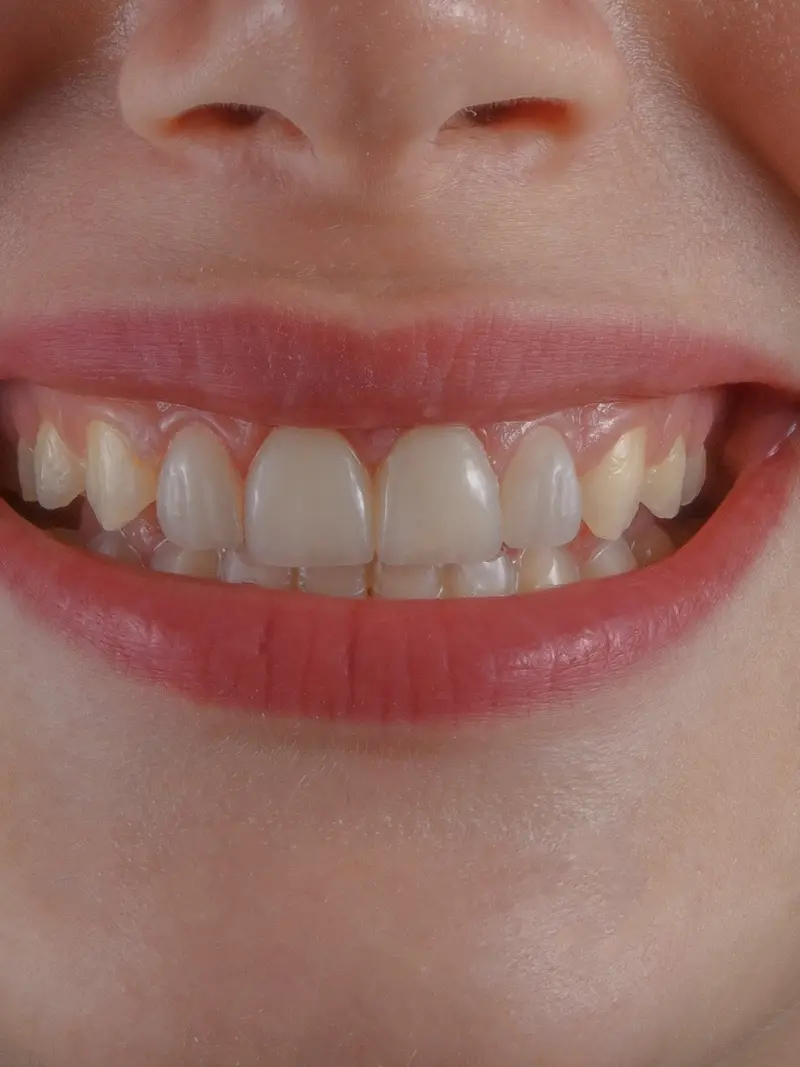
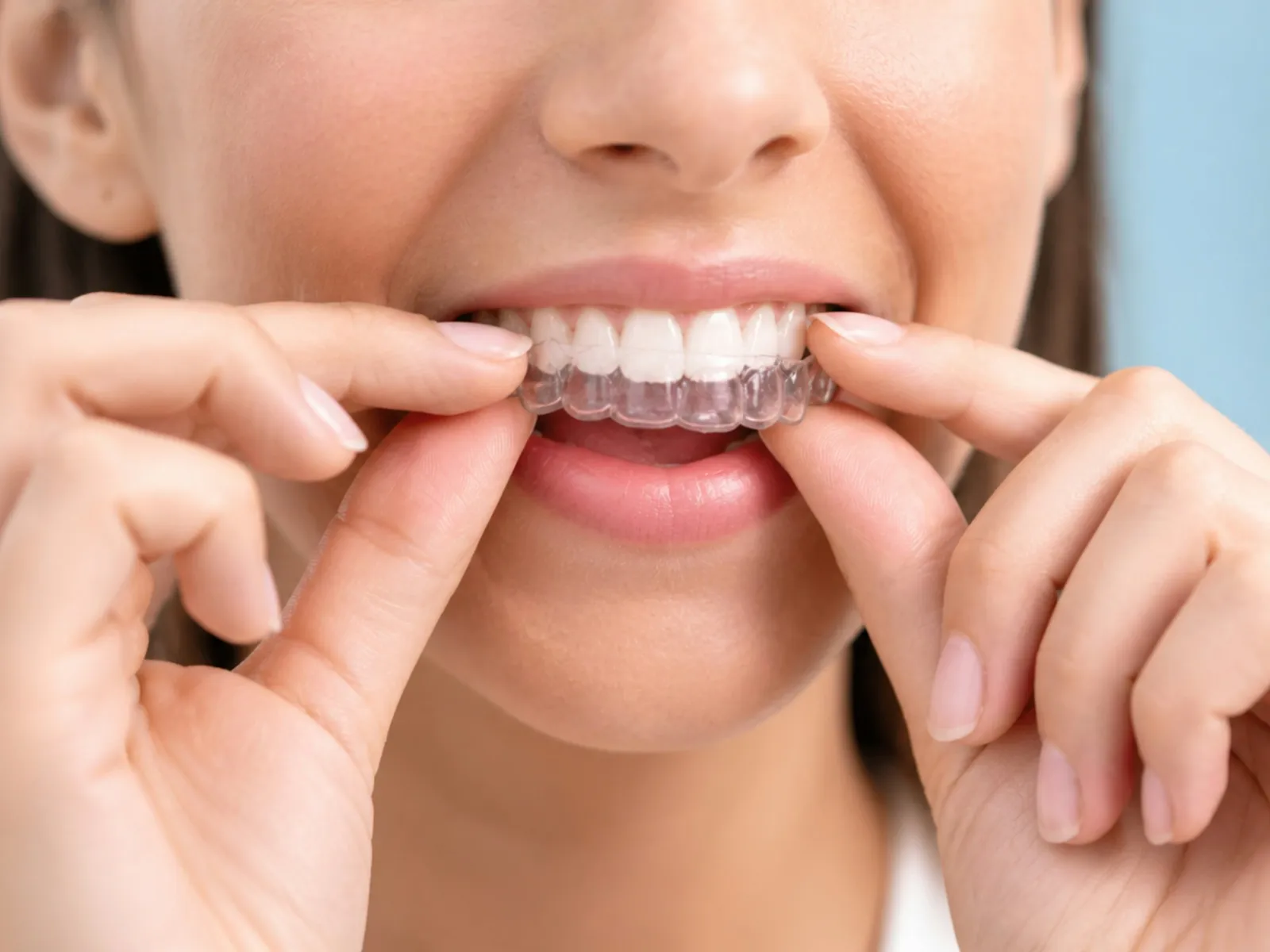
Slightly overlapping teeth, a gap that has opened up, teeth that have drifted over the years… Many adults would like a straighter smile but hold back because of what they imagine orthodontic treatment to be. Clear aligners changed that: transparent, custom-made, removable trays that almost nobody notices.
In this guide, Dr. Reda Saoui explains what aligners can correct, how long treatment takes, what daily life with aligners looks like, and who they are for. Start with the test above, then read the full guide.
What clear aligners can correct
| Situation | Are aligners suitable? | Typical duration |
|---|---|---|
| Teeth that moved back after previous treatment | Yes, an ideal case | 3–6 months |
| Slight crowding of the front teeth | Yes | 4–8 months |
| Gaps between teeth | Yes | 4–10 months |
| Moderate crowding | Yes, in the vast majority of cases | 8–14 months |
| Slight mismatch between upper and lower teeth | Often | 12–18 months |
| Major jaw misalignment | To be assessed, sometimes with other treatments | After assessment |
These durations are indicative: the 3D simulation at your consultation gives you a precise estimate for your smile before you start.
How treatment works
- Consultation and 3D scan. Dr. Saoui examines your teeth and gums, then takes a digital impression, with no messy moulds.
- Simulation of your result. You see on screen how your teeth will move, step by step, up to your final smile. That is when you decide.
- Wearing your aligners. You switch to a new set every 1–2 weeks. Each set moves your teeth by a few tenths of a millimetre, gently.
- Short, infrequent check-ups. A quick appointment every few weeks is enough to make sure everything is on track.
- Retention. Once the result is reached, a night-time retainer or a small wire bonded behind the teeth keeps your new smile stable.
Daily life with aligners
- 22 hours a day is the golden rule. You only take them out to eat and to brush your teeth.
- Eating: no food is off-limits, since you remove your aligners for meals.
- Drinking: water at any time. For coffee, tea or sugary drinks, take them out to avoid stains.
- Hygiene: brush your teeth before putting your aligners back in, and rinse them in cold water morning and evening.
- Travel and sport: stored in their case, they go everywhere with you. For patients who live far from Tangier, several sets can be handed over at once, with remote follow-up.
The questions people ask before starting
“Does it hurt?”
You will feel slight pressure for the first days of each new set: it means your teeth are moving. The feeling usually fades within 24–48 hours. Most patients describe it as discomfort rather than pain.
“Will people notice?”
Hardly. The aligners are transparent and fit your teeth closely. Small tooth-coloured attachments may be bonded to some teeth to guide the movement: they stay discreet and are removed at the end of treatment.
“Will I lisp?”
A slight lisp may appear on the first day or two while your tongue adjusts. It goes quickly: most patients speak normally within a few days, including in meetings or on the phone.
“How long does treatment take?”
On average 6 to 18 months, depending on the movements needed. A small correction can take just a few months. Duration also depends heavily on wearing your aligners consistently: 22 hours a day is what keeps you on schedule.
“Will my teeth move back afterwards?”
Teeth naturally tend to drift back towards their old position, which is why retention is part of the treatment. A night-time retainer or a discreet wire bonded behind the teeth keeps your result stable over time.
“Am I too old?”
No. Teeth can be moved at any age, as long as the gums and bone supporting them are healthy. Many of our aligner patients are adults.
“What if I forget to wear them?”
Forgetting once is not a problem: put your aligners back in as soon as you can. But if they are often left out, your teeth will not move as planned and treatment takes longer. We give you simple tips to build the habit from the very first week.
Are clear aligners right for me?
Aligners suit most adults and teenagers who want to correct mild to moderate misalignment. A few conditions matter for a successful result:
- Healthy gums: any inflammation must be treated before moving teeth.
- No cavities or pending treatment: these are done before the scan so the aligners fit precisely.
- Commitment to wearing them 22 hours a day: this is the factor that matters most.
- For younger patients, growth is taken into account to choose the right time.
- Complex cases (major jaw misalignment) need an in-depth assessment: aligners can be part of the plan.
Good to know: straightening your teeth can also be the first step of a cosmetic project. Once your teeth are well positioned, veneers, if you still want them, need far less preparation.
At your consultation, Dr. Saoui examines your teeth, takes the 3D scan and shows you the simulation of your future smile, with the estimated duration and a detailed quote. To find out more, visit our clear aligners in Tangier page.
Haven’t taken the test yet? Answer the 6 questions in 1 minute: the result shows whether aligners suit your situation, and you can send it straight to our team.
Let’s look at your situation
Clear aligners : Straighten your teeth discreetly with clear aligners.