Gingivitis or periodontitis: which treatment do your gums need?+ the “Are my gums healthy?” test
Take the free test · 1 minPublished on 13 October 2026 · Dr. Reda Saoui · 6 min read
Free test · ≈ 1 min
Are my gums healthy?
6 questions, 1 minute. Get a first indication of the health of your gums and the treatment you are most likely to need.
Your result
Most likely treatment
Good to know for your case
This test gives general guidance and does not replace a gum examination. Only an assessment at the clinic, with X-rays, can confirm a diagnosis.
Your gums bleed when you brush. Or they look lower than they used to, and some teeth seem longer. The question is a simple one: is this gingivitis, which responds well to treatment, or periodontitis, which has already reached the bone?
This guide explains how the two differ, which signs should prompt a visit, and how we treat them at the clinic, step by step. Start with the test above: six questions to take stock of your gums. Then read on.
Gingivitis and periodontitis: how they differ
Gingivitis is inflammation of the gum alone. It is caused by plaque, the film of bacteria that builds up every day along the gum line. The gum turns red and puffy, and it bleeds when you brush. The bone that holds your teeth is not affected. Once the plaque and tartar are removed, and with a good daily routine, the gum recovers.
Periodontitis is the next stage. The inflammation works its way down the root. The gum comes away from the tooth and forms a “pocket”, where plaque collects out of reach of your toothbrush. Over time, the bone supporting the tooth is lost. The gums recede, gaps open up between the teeth, and the teeth may start to move.
Two things are worth knowing from the start:
- Gingivitis does not always lead to periodontitis, but periodontitis begins as gingivitis. Treating it early protects the bone.
- Periodontitis is often silent. It rarely hurts in the early stages, and many people only find out when a tooth feels loose. Bleeding without pain is a good reason to have your gums checked.
Some factors make gum disease more likely. Smoking is one of them. It can also hide the bleeding, so a smoker’s gums may bleed very little even when they are affected. Diabetes, particularly when it is poorly controlled, also makes gum inflammation more likely.
What you notice, and what we do about it
| What you notice | What it may be | What we do |
|---|---|---|
| Red, puffy gums that bleed when you brush | Gingivitis: the gum is inflamed, the bone is not affected | An examination, a scale and polish, and hygiene advice that suits your mouth |
| Bleeding, bad breath that lingers, gums pulling away from the teeth | Periodontitis: the inflammation has reached the bone | A full assessment, then a deep clean (scaling and root planing) and a review at 2 months |
| Gum line creeping down, root showing, tooth sensitive to cold | Gum recession, from brushing too hard, from periodontitis, or because of where the tooth sits | Treat the cause, then a gum graft if the root needs protecting |
| A tooth that moves, gaps opening between teeth | Bone loss around the tooth | X-rays, a 3D scan if needed, a deep clean, then periodontal surgery or bone regeneration, depending on the bone left |
Treat this table as a rough guide. Several signs often appear together, and only an examination can confirm what is going on.
Treatment, step by step
1. The assessment, at your first consultation
Every new patient has a full examination of the gums, teeth and mouth at their first consultation. We measure the depth of the gum around each tooth, which is what separates gingivitis from periodontitis. X-rays show the level of the bone, and the clinic’s 3D scanner adds detail when it is useful. We go through the images with you. You leave knowing what needs treating, and why.
Gum treatment is carried out at the clinic by Dr. Reda Saoui, who holds the University Diploma in Periodontology and Oral Surgery (DUPCO).
2. The deep clean
For gingivitis, a thorough scale and polish and a better daily routine are often enough.
For periodontitis, we carry out a periodontal deep clean: scaling first, then root planing. Root planing cleans the root surface below the gum line, right to the bottom of the pockets, so the gum can heal back against the tooth. It is done under local anaesthetic, over two sessions no more than 48 hours apart.
Between the sessions and afterwards, we show you the cleaning routine that suits your mouth. What you do at home counts towards the result.
3. The review at 2 months
Two months after the deep clean, we examine your gums again and measure how well they have healed. If they are stable, you move on to maintenance. If some areas are still deep or inflamed, we suggest treatment for those areas only. Surgery is only considered when it will genuinely benefit you.
4. When surgery helps
Depending on what the review shows, several treatments are possible, all carried out at the clinic:
- periodontal surgery (a flap procedure): the gum is lifted so we can clean a deep pocket that the deep clean could not reach;
- bone regeneration, which aims to rebuild part of the lost bone when the shape of the bone allows it;
- a gum graft, to cover a root left exposed by a receding gum.
These procedures are done under local anaesthetic. Recovery is usually comfortable. We teach you the right hygiene routine for the days that follow, which also helps your gums heal.
5. Maintenance
Once treated, periodontitis is stable, but it can come back if plaque builds up again. Treatment therefore continues with maintenance visits every 3 to 6 months, depending on your case. At each visit, we check the health of your gums and fine-tune your home care routine with you.
Before implants, veneers or aligners
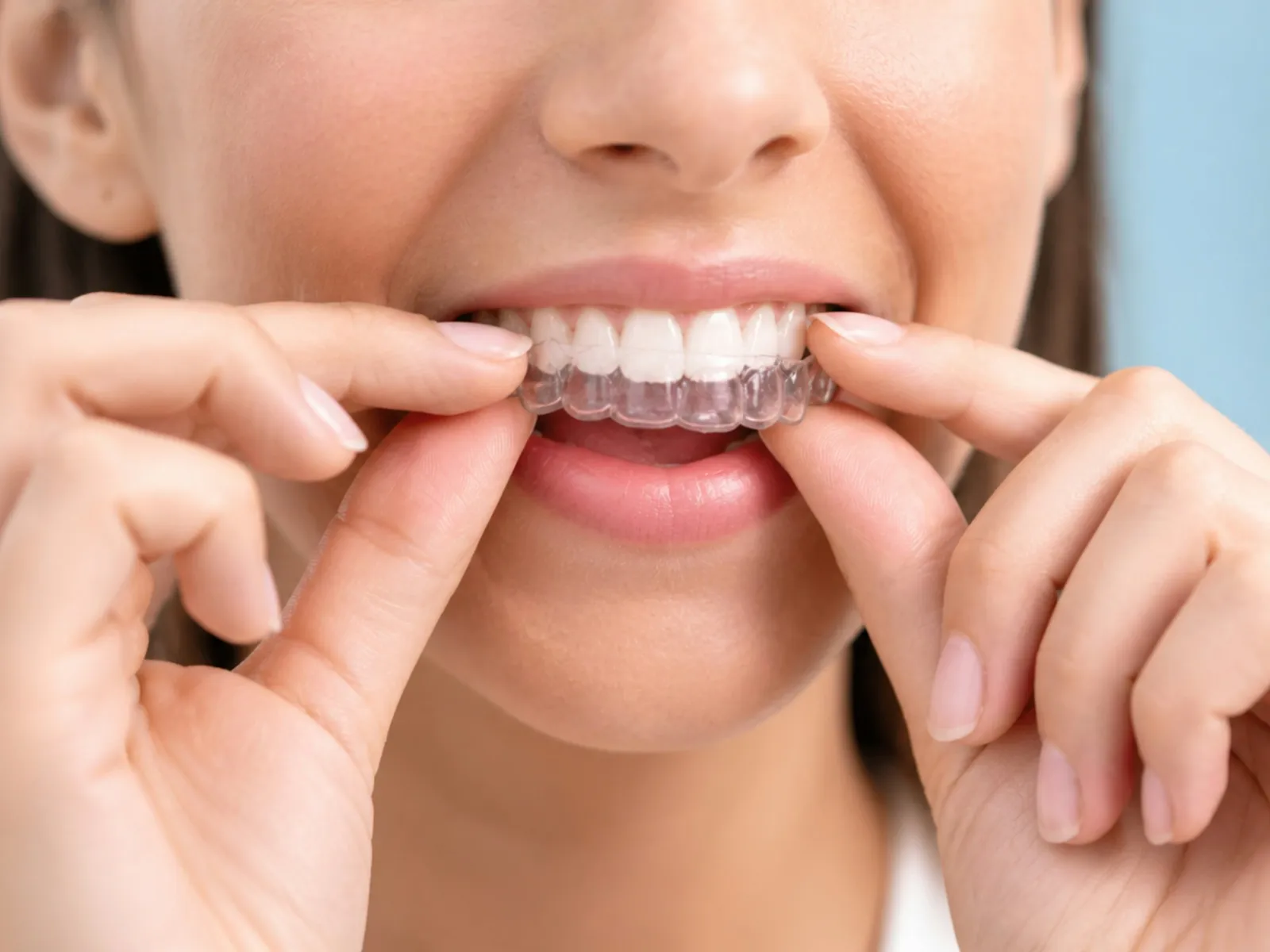
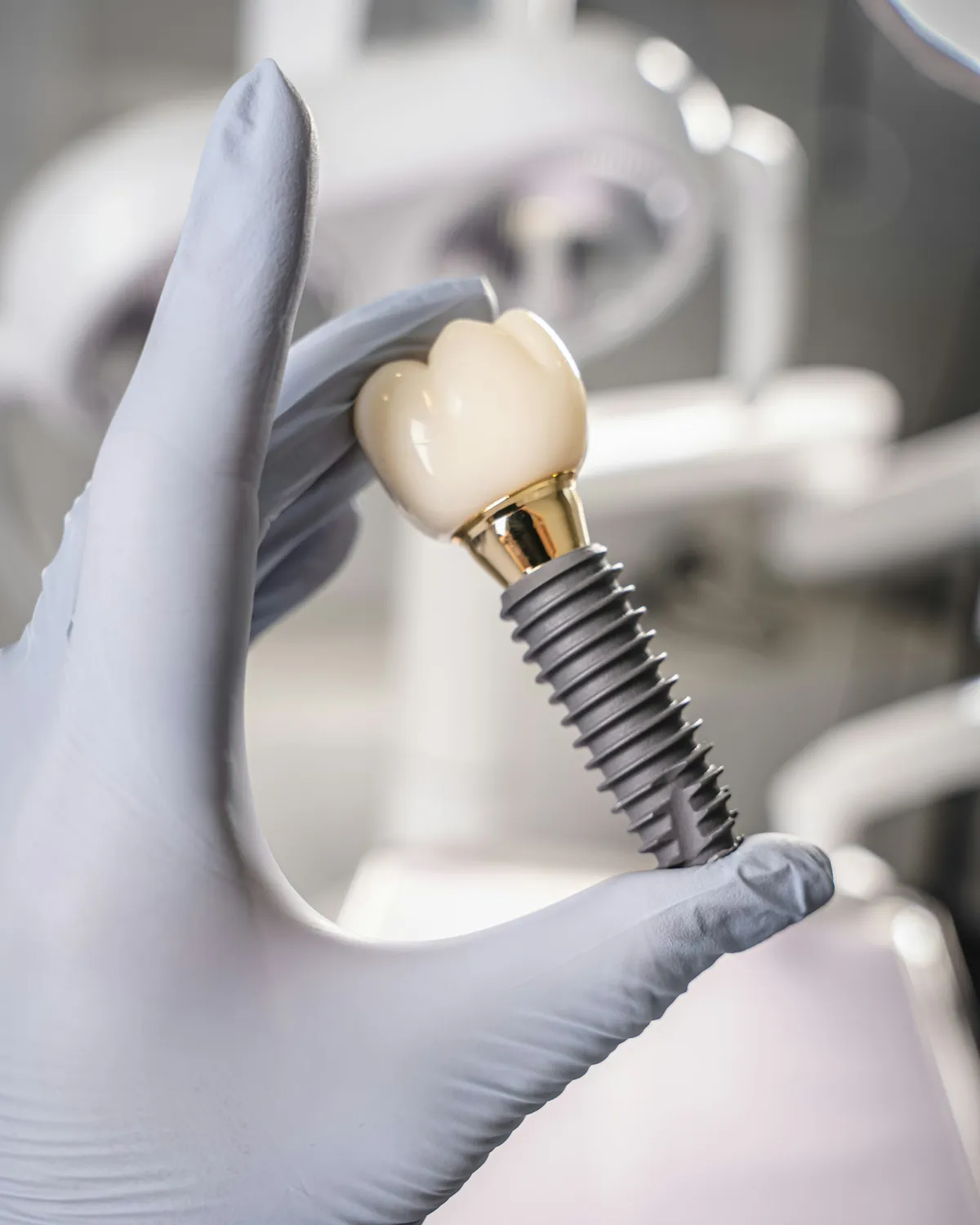
A beautiful smile depends on healthy gums. An implant placed in a mouth with active gum disease is exposed to the same inflammation, this time around the implant: this is peri-implantitis. Inflamed gums bleed and change shape. As they recede, they can reveal the edge of a veneer or crown. And teeth should only be moved with aligners once the gums are stable. That is why gum treatment comes first in your treatment plan.
Frequently asked questions
"My gums bleed but it doesn't hurt. Should I see a dentist?"
Yes. Bleeding is a sign of inflamed gums, and gum inflammation rarely hurts. An examination tells us whether it is gingivitis or whether the bone is already involved. Either way, the earlier treatment starts, the simpler it is.
"Does root planing hurt?"
The local anaesthetic keeps the session comfortable. Your teeth may feel a little sensitive for a few days afterwards, especially to cold. This then settles.
"Can periodontitis be cured?"
It can be brought under control. After treatment, the inflammation settles, the bleeding eases and the gum heals. Lost bone does not grow back on its own, though in some cases bone regeneration can rebuild part of it. Regular maintenance then helps you keep the result.
"Will I lose my teeth?"
Not necessarily. It depends on how much bone is left around each tooth. After the assessment, we tell you tooth by tooth what can be kept and what cannot. The earlier treatment starts, the more bone there is to preserve.
"I live abroad. How is treatment organised?"
Your assessment takes place at your first consultation at the clinic. The two deep-clean sessions are no more than 48 hours apart. The rest of the schedule (review, any further treatment, maintenance) depends on your case, and we plan it with you after the examination. You can also message us on WhatsApp before you travel to prepare your visit.
"How much does gum treatment cost?"
It depends on what the assessment shows: the number of teeth involved and the care they need. You leave your first consultation with a clear treatment plan and its price.
Haven’t taken the test yet? Answer the 6 questions: the result gives you a first indication, and you can send it straight to our team. Each of our gum treatments is described on our periodontics page. This guide and the test are for orientation only: your diagnosis and treatment plan are to be confirmed at your consultation.
Let’s look at your situation
Periodontics : Treat gums that bleed or recede, and give your teeth a healthy foundation again.